Structural Systems
Foundations, grading & drainage, basements, walkways, and floor, wall and ceiling structures.

Buying, selling, and maintaining a home is undoubtedly one of the most costly investments people leverage. When the process involves absorbing loads of details, not knowing who to trust, looming deadlines and dollar signs – what you really want is the ‘bottom line’.
At Lodestar, I understand what knowledge you need from a home inspection in order to make the right move.
My approach is patient, organized, and detail oriented. I welcome your questions and concerns either by pre-inspection email or a re-cap discussion after a thorough inspection. After receiving your report within 24 hours, I will be glad to answer any questions that remain regarding the general conditions, safety and systems of your home. Lodestar Home Inspections strictly follows the Standards of Practice for home inspectors established by InterNACHI, the leading home inspection association.
Your inspection will be detailed in my easy-to-read Spectora report, that will be delivered in HTML and/or PDF format. From that report, you’ll be able to see the items we discussed, with images for reference. While exploring your opportunities, my home inspection will bring the benefit of clarity in the process, solidifying your asking price and protecting your investment.

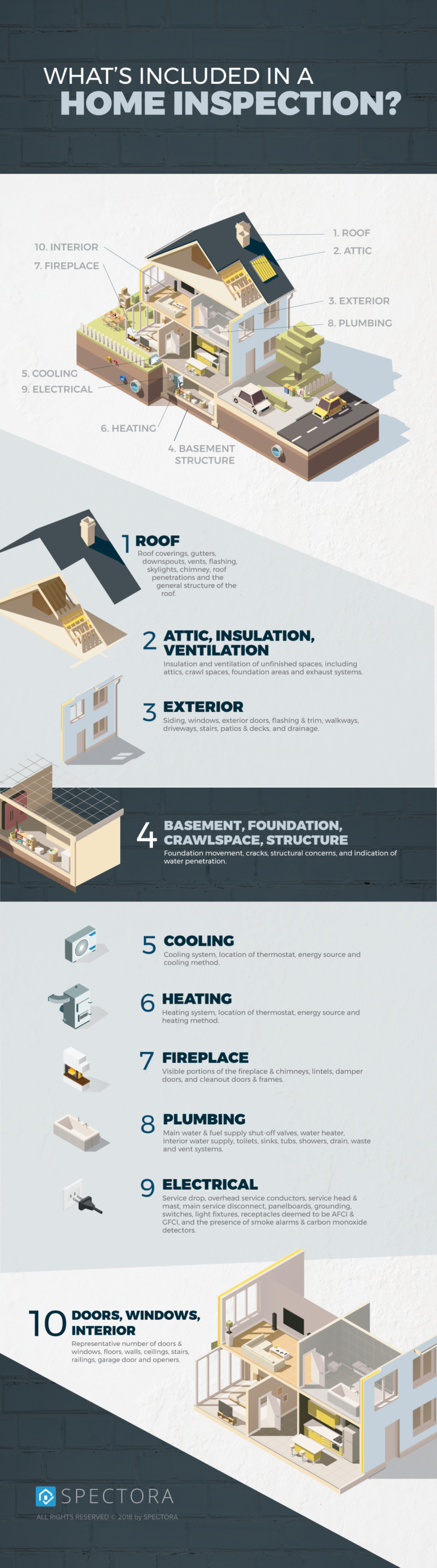

Lodestar Home Inspections provides Residential Home Inspections, Pre-listing Home Inspections, New construction Home Inspections,11 month Builder’s Warranty Home Inspections, Thermal Imaging, Mold Testing, Air Quality Testing, Radon Gas Testing, Moisture Intrusion and Manufactured Home Inspections for the the Greater Chattanooga area, surrounding counties including Northwest Georgia.
Lodestar Home inspections, LLC would love your feedback. Click below to post a review to our profile.

LODESTAR HOME INSPECTIONS … *LEADING THE WAY HOME*
Prompt & Principled – The Right Move